From the outside, your home may look like it is in great condition.
The paint looks good. There are no obvious leaks. The windows seem fine. There are no major stains on the ceiling.
But in a Southwest Florida home, some problems can start long before they become clearly visible.
Salt air, humidity, heavy rain, and wind can gradually wear down seals, metal components, windows, doors, and other parts of the home.
That does not mean every home has a hidden problem.
It simply means that near the coast, there are a few signs worth watching for because they can be easy to overlook.
1. Cracked or Peeling Caulking Around Windows and Doors
Walk around the outside of your home and take a close look at the edges of your windows and doors.
Is the caulking cracked?
Are there small gaps?
Are some sections starting to pull away?
Caulking helps protect these openings from water and moisture. With constant exposure to Florida’s sun, heat, and rain, it can deteriorate over time.
A small gap in the seal does not necessarily mean there is already damage inside the home, but it is something that should not be ignored.
2. Rust on Screws, Hardware, and Exterior Components
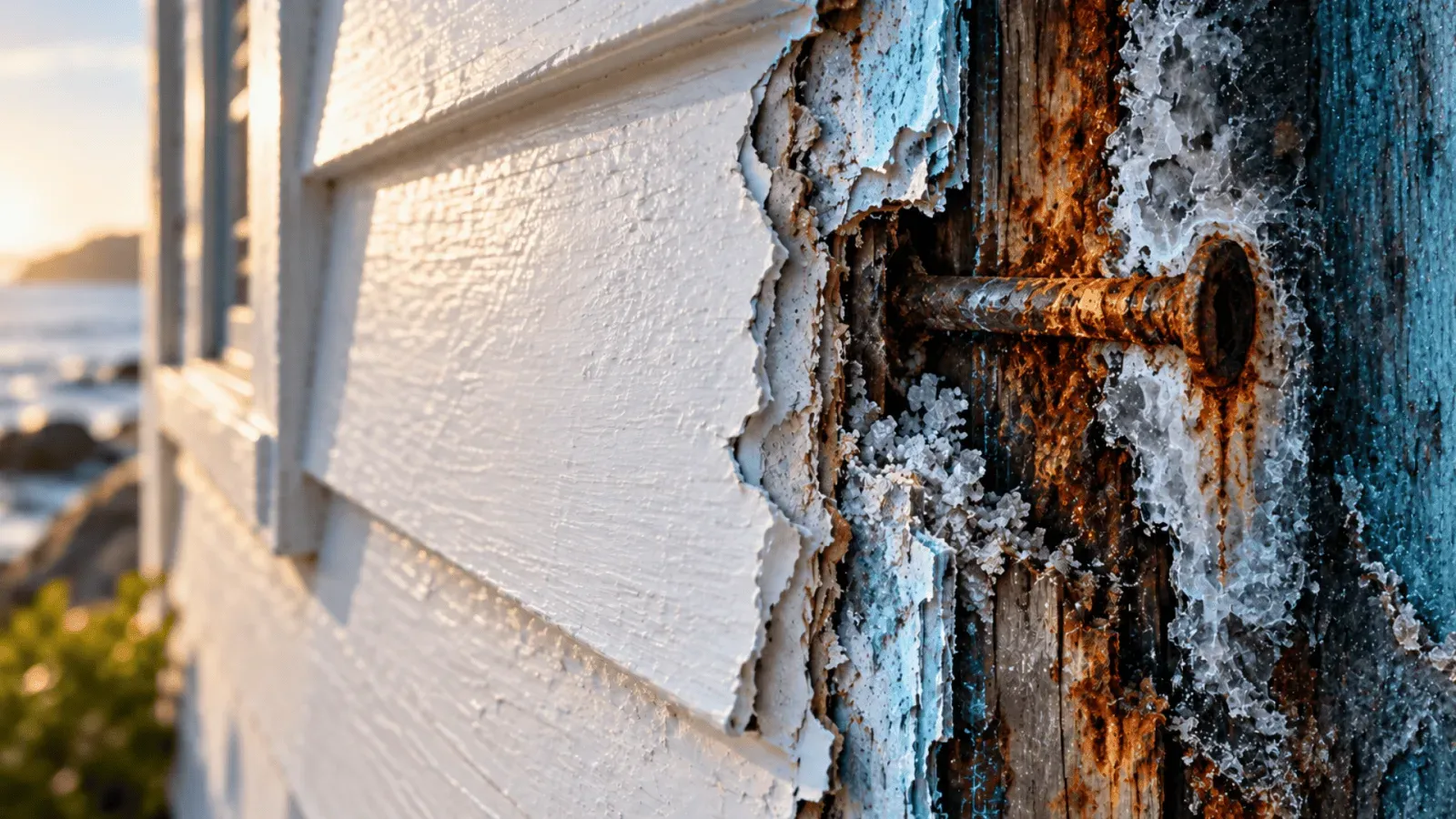
In coastal areas, salt air can accelerate corrosion on many metal components.
You may first notice it on:
- screws;
- hinges;
- tracks;
- exterior hardware;
- brackets;
- metal components around windows and doors.
Visible rust does not automatically mean there is structural corrosion.
But it does show that the home is exposed to an environment that can be hard on metal — and not every metal component in the home is visible.
FEMA provides additional guidance on corrosion protection for metal connectors and fasteners in coastal areas.
3. Water That Does Not Drain Properly Around Windows or Sliding Glass Doors
After a heavy rain, take a closer look at your windows and sliding glass doors.
Does water remain pooled after the rain, fail to drain, or reach interior flooring or finishes?
Some window and sliding door systems are designed to collect and drain incidental water. That means seeing some temporary water in a track during wind-driven rain does not necessarily indicate a problem by itself.
What deserves more attention is water that remains after the storm, does not drain as expected, repeatedly reaches interior finishes, or appears in areas where it was not present before.
In Florida, wind-driven rain can affect windows and doors very differently from an ordinary rainstorm.
After Hurricane Ian, FEMA published specific guidance addressing water intrusion through and around windows and doors.
The important thing is not to assume that every wet track means failure. Look for patterns, changes, drainage problems, and water reaching areas that should remain dry.
4. Stains That Appear and Disappear
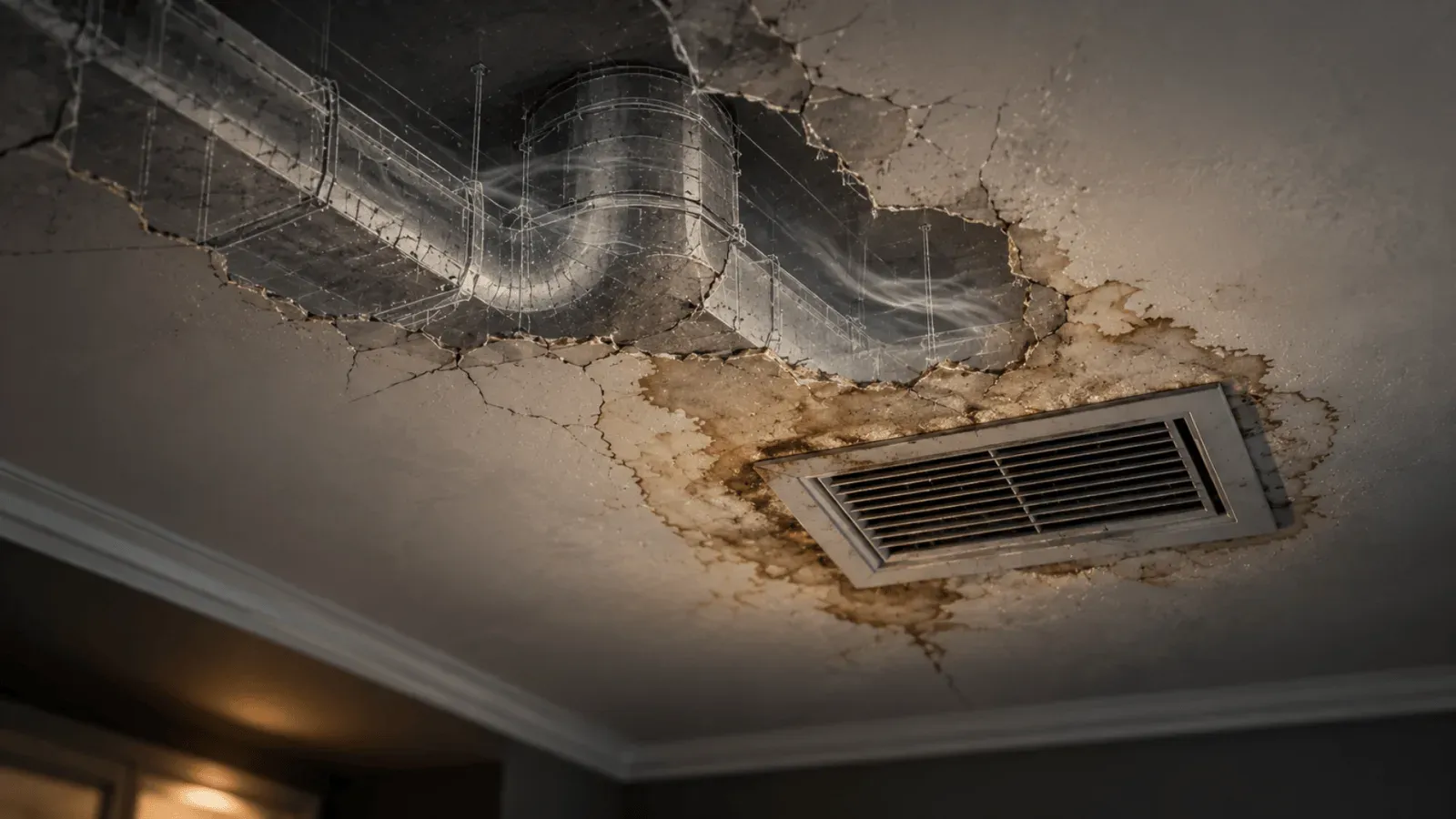
A small stain on the ceiling or wall may seem harmless, especially if it fades after the area dries.
But it is worth monitoring.
Take a photo.
See whether it gets larger.
Pay attention to whether it comes back after heavy rain.
Water-related problems often start small. Keeping track of when and where they appear can make it much easier to identify the source later.
A stain does not necessarily tell you where the water came from, so it is better treated as a reason to observe and investigate rather than as a diagnosis.
5. Doors or Windows That Have Started Working Differently
Is your sliding glass door becoming harder to open?
Has a window that used to work normally started sticking?
Is a door suddenly rubbing against the frame?
Not every change means there is a serious problem. Dirty tracks, worn hardware, and minor misalignment can also happen naturally over time.
But recent changes deserve attention, especially when they appear along with moisture, deteriorating seals, or signs of water intrusion.
The change itself is not a diagnosis. It is simply something worth noting, especially if several signs begin appearing together.
6. Constant Humidity Inside the Home
If your home constantly feels humid, that is also something worth investigating.
Air conditioning, ventilation, water intrusion, roofing issues, and other conditions can all contribute to excess indoor moisture.
The important thing is not to assume that recurring humidity is automatically “just part of living in Florida.”
If it continues, it is worth understanding where it is coming from.
UF/IFAS offers Florida homeowners practical guidance on indoor moisture and recommends keeping indoor relative humidity at approximately 55% or lower as a useful homeowner benchmark.
You can read more in this UF/IFAS guidance on understanding and maintaining Florida homes.
What Can You Check Without Opening Any Walls?
You do not need to start with a complicated investigation.
A few minutes of observation can already tell you a lot.
After a heavy rain, walk through the house and check windows, doors, baseboards, and ceilings.
Outside, look at the caulking, paint, hardware, and areas where different materials meet.
Compare what you see with older photos when possible.
And most importantly, pay attention to changes.
Often, what matters is not only how the house looks today, but what has started happening recently.
A single sign may have a simple explanation. Repeated changes, recurring moisture, or several symptoms appearing together deserve a closer look.
What Can’t You See?
This is an important part of the picture.
Not everything can be evaluated by looking at the surface.
Some connections, water-management layers, and other components are hidden behind finished surfaces.
That is why a responsible professional should not claim to know exactly what is happening inside a wall without having access to that area.
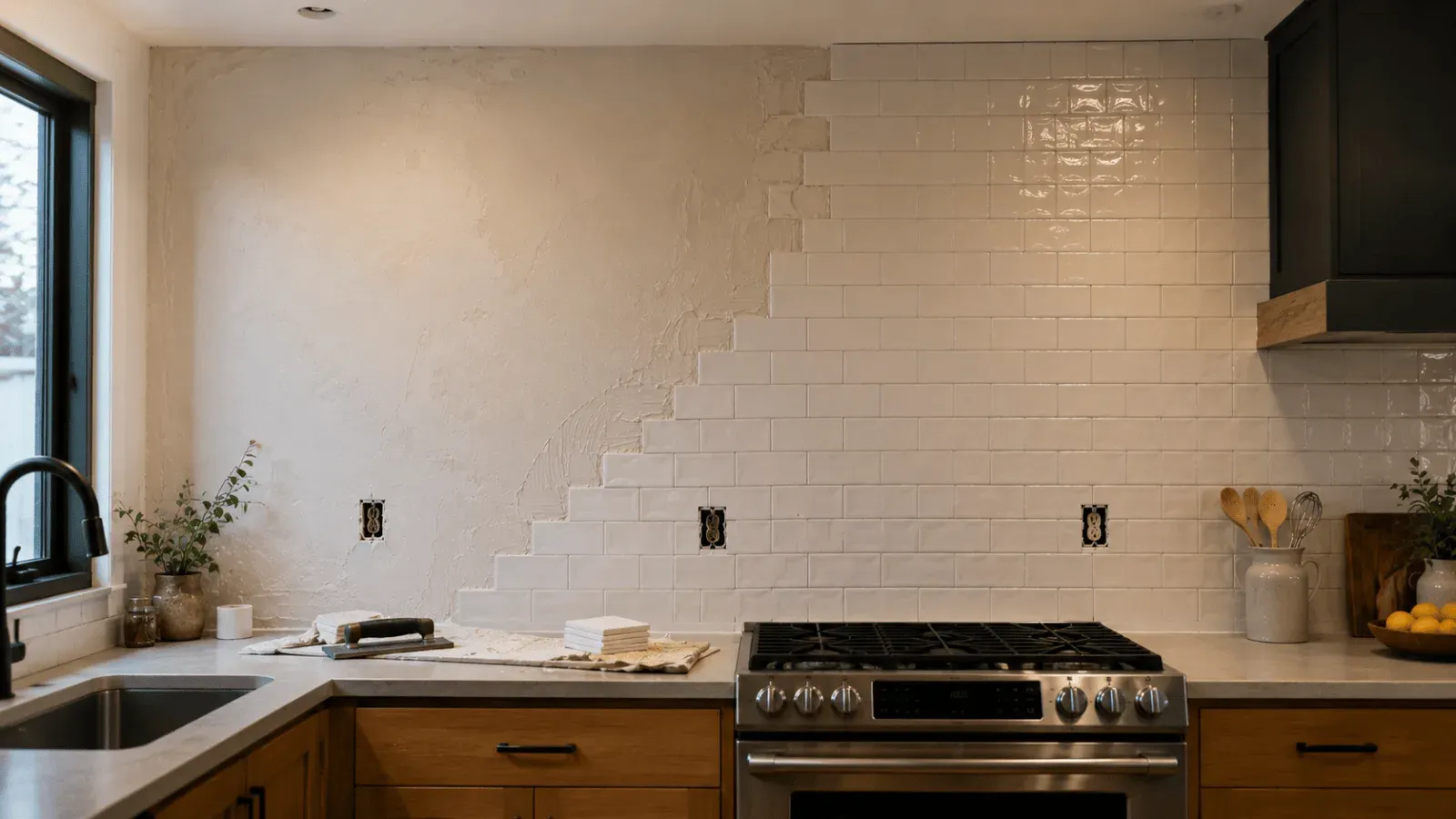
On the other hand, a repair or renovation can create an important opportunity.
When a wall, finish, window, or door already needs to be removed as part of a project, areas that are normally hidden may become visible.
That is often when previously unnoticed conditions can be evaluated more directly.
Your Home Does Not Have to Look Damaged to Need Maintenance
One of the biggest mistakes in home maintenance is waiting until a problem becomes obvious.
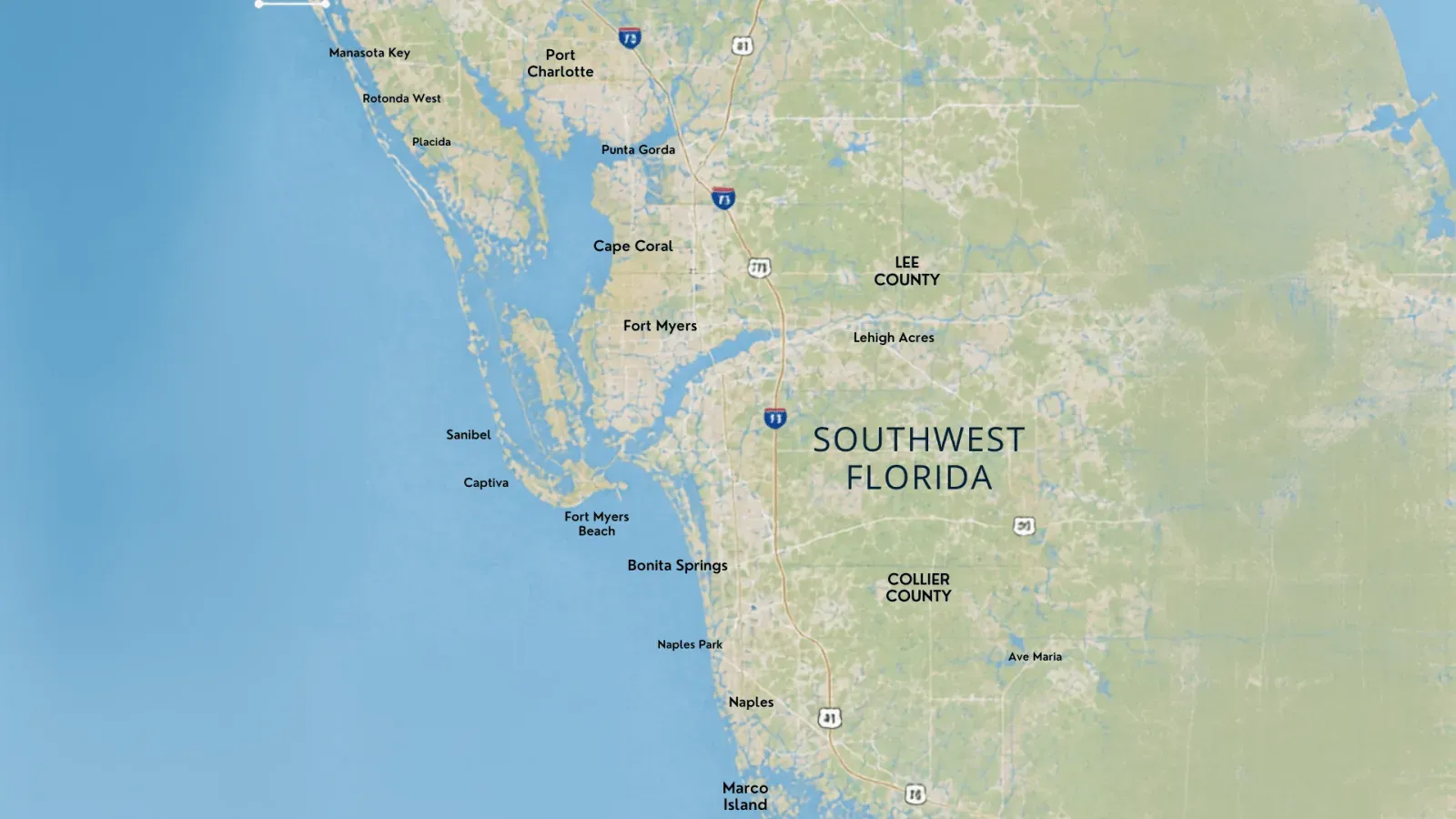
In Southwest Florida, sun, rain, humidity, salt air, and storms are all part of the environment.
Small signs — deteriorating caulking, a recurring stain, or rust in a certain area — may simply be part of normal maintenance.
But they can also be a sign that it is time to take a closer look.
The goal is not to search for problems that may not exist.
It is to notice changes early, stay on top of maintenance, and make better decisions before small repairs have the opportunity to become larger projects.
Planning a Repair or Renovation?
If you have noticed signs of water intrusion, deterioration around windows or doors, worn exterior components, or you are simply planning to update your home, our team evaluates every project with careful planning, clear communication, and attention to the details that truly matter for a Southwest Florida home.
Talk to Excell about your next repair or renovation project.
Excell General Service Group
Job on Time, Worry-Free.
📞 (239) 244-9490
📍 28441 S Tamiami Trail, Suite 203, Bonita Springs, FL 34134